Content
Mar 27, 2026
How to Maximize Every Inch of a Small Kitchen in NYC
Robert Scott
5 MIN READ
In New York City, space is everything — and nowhere is that more obvious than in the kitchen. Whether you’re in a co-op, condo, or brownstone, most NYC kitchens are working with limited square footage.
The good news? A small kitchen doesn’t have to feel cramped or inefficient. With the right layout and smart design choices, you can turn even the tightest space into something highly functional and visually clean.
Here’s how to maximize every inch of your small kitchen, starting with the layout.
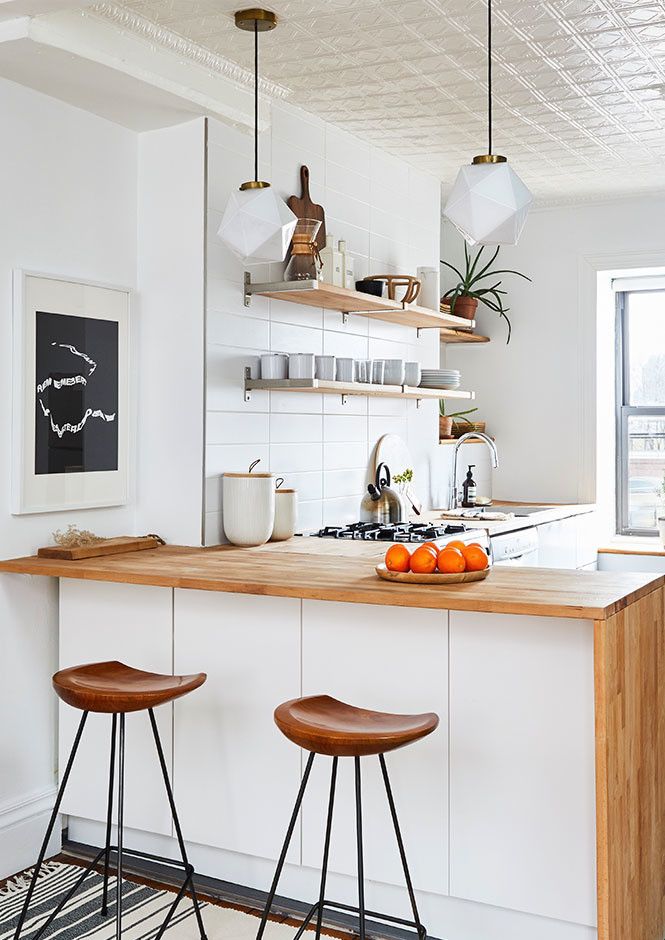
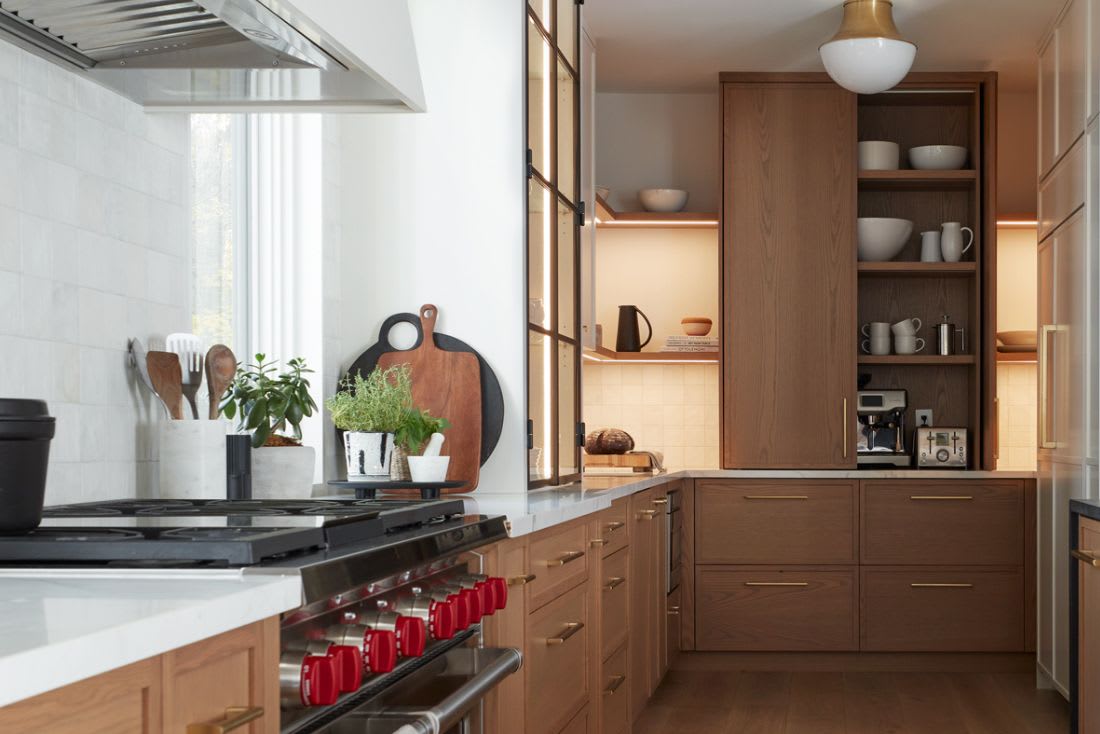
🧱 1. The Galley Kitchen: Maximum Efficiency
The galley kitchen is one of the most common layouts in NYC — and for good reason.
It features two parallel runs of cabinets and appliances, creating a tight but highly efficient workspace.
Why it works:
Everything is within arm’s reach
Great for cooking efficiency
Maximizes both sides for storage and counter space
How to optimize it:
Keep walkways at least 36–42 inches wide
Use light colors to open up the space
Add under-cabinet lighting to avoid a tunnel feel
👉 This is often the best layout when space is narrow but long.
📐 2. The L-Shaped Kitchen: Open & Flexible
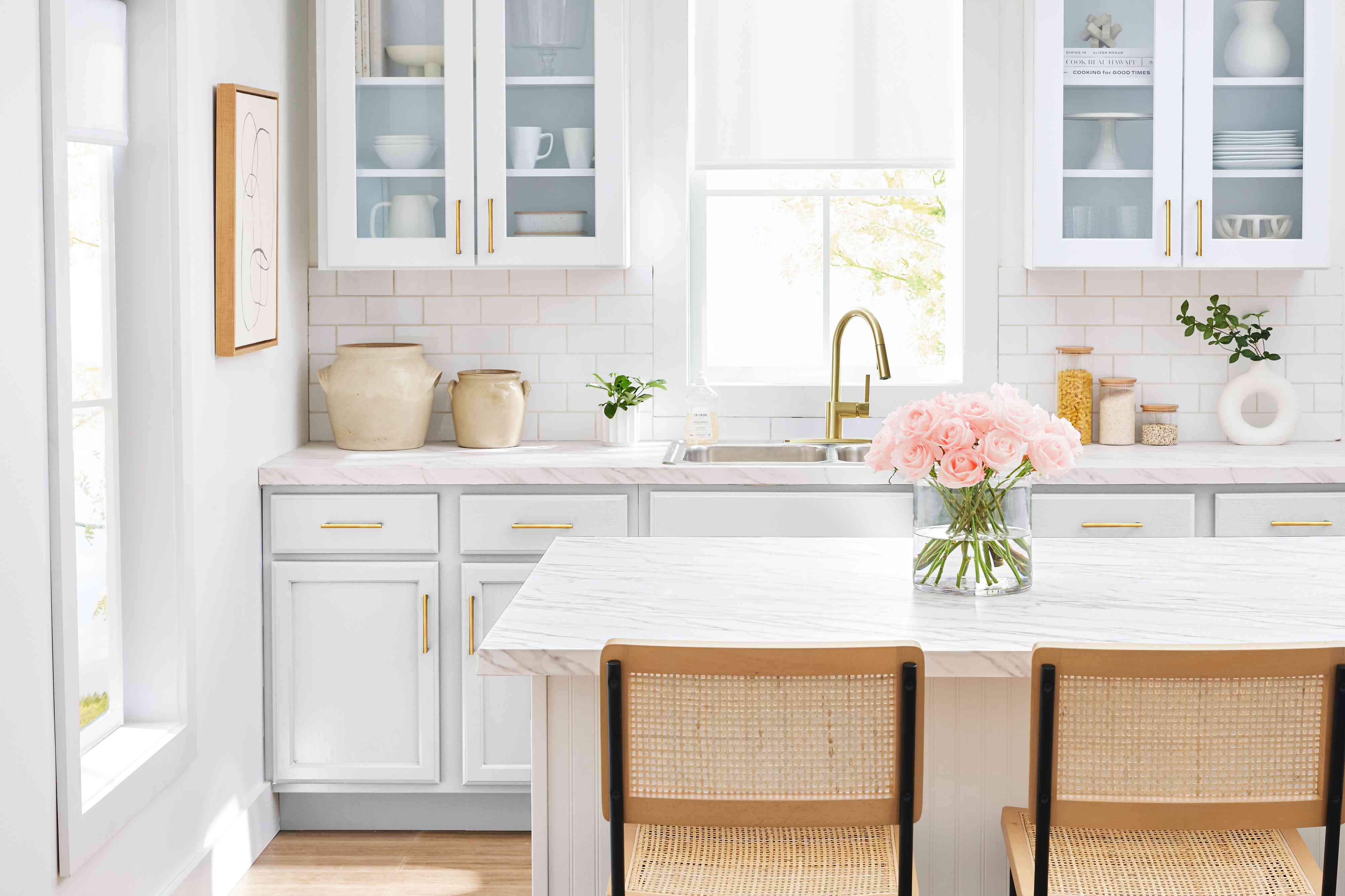
The L-shaped kitchen uses two adjoining walls and opens up the rest of the space — ideal for apartments where the kitchen flows into the living area.
Why it works:
Creates a more open feel
Leaves room for dining or movement
Great for corner storage solutions
How to optimize it:
Use lazy Susans or pull-out corner units
Keep upper cabinets minimal on one wall to reduce bulk
Add floating shelves to keep it light
👉 Best for: open-plan NYC apartments.
🔲 3. The U-Shaped Kitchen: Maximum Storage
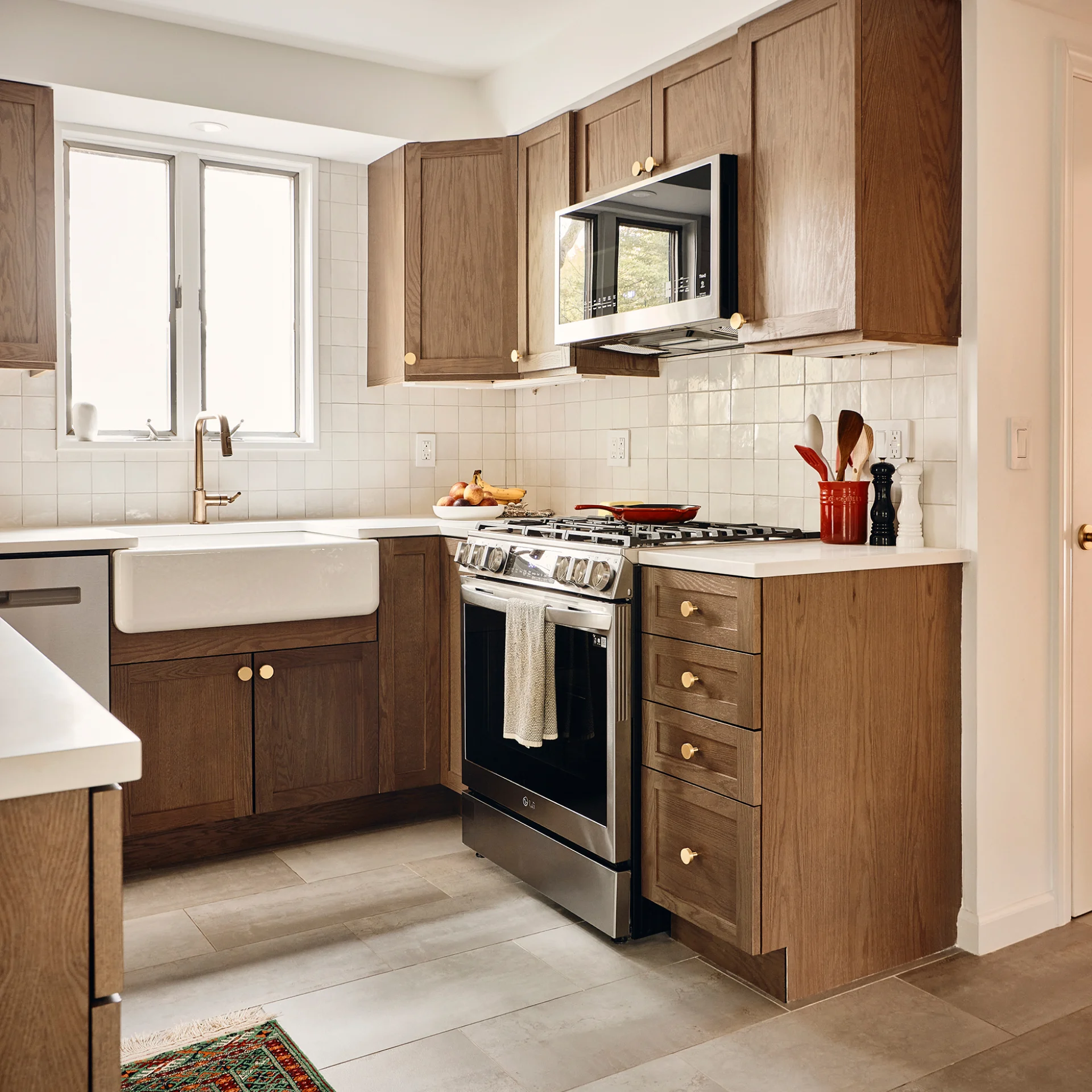
If you have a bit more space, a U-shaped layout can give you the most storage and counter area.
Why it works:
Three walls of cabinetry = more storage
Defined zones for prep, cooking, and cleaning
Efficient workflow
How to optimize it:
Avoid making it feel enclosed — consider removing upper cabinets on one side
Keep pathways wide enough to avoid congestion
Use consistent finishes to avoid visual clutter
👉 Best for: slightly larger kitchens where storage is a priority.
🏝️ 4. Adding a Kitchen Island (If You Can)
Even in NYC, some kitchens can accommodate a small island or peninsula — and it can completely transform the space.
Benefits:
Extra prep space
Additional storage
Casual seating option
What to consider:
Maintain at least 36 inches clearance around it
Consider a narrow or movable island
Use built-in storage underneath
👉 If a full island doesn’t fit, a peninsula is often a great alternative.
🧠 Smart Design Tips That Make a Big Difference
No matter the layout, these strategies will elevate any small kitchen:
✔️ Go Vertical
Use full-height cabinetry to maximize storage all the way to the ceiling.
✔️ Integrated Appliances
Panel-ready or compact appliances help reduce visual clutter.
✔️ Keep It Consistent
Using the same tones and materials creates a more seamless, open feel.
✔️ Lighting Matters
Layered lighting (task + ambient) makes the space feel larger and more functional.
✔️ Think Function First
Design around how you actually use the kitchen — not just how it looks.
🏙️ The NYC Reality
In New York City, kitchen design isn’t just about aesthetics — it’s about:
Working within tight footprints
Navigating building constraints
Coordinating trades efficiently
The layout you choose will impact not just how your kitchen looks, but how it functions every single day.